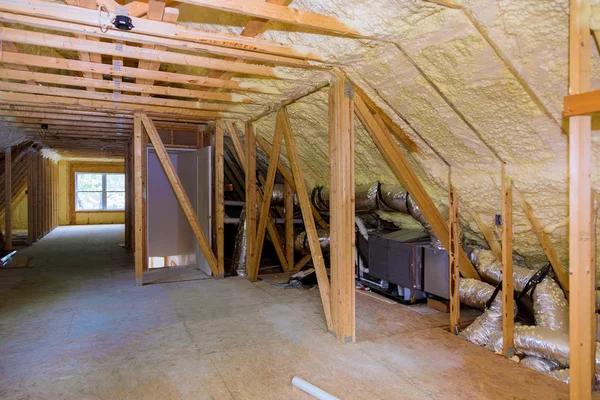

Noise reduction spray foam insulation has become an increasingly popular choice for sound control in residential and commercial buildings due to its effectiveness and versatility. Traditional insulation materials often focus primarily on thermal performance, but noise reduction spray foam insulation addresses both temperature regulation and acoustic challenges simultaneously. This dual functionality makes it an ideal solution for spaces where noise pollution is a concern, such as apartments, offices, recording studios, and healthcare facilities.
One significant advantage of noise reduction spray foam insulation is its ability to fill gaps and cracks thoroughly, creating a seamless barrier that minimizes sound transmission. Unlike batt or rigid board insulation, spray foam expands upon application, conforming to irregular spaces and hard-to-reach areas. This expansion ensures that no sound leaks through tiny openings, which are common weak points in conventional insulation systems. The dense structure of the foam also absorbs sound waves, reducing echo and reverberation within a room, thus improving overall acoustic comfort.
Another reason to choose noise reduction spray foam insulation is its durability and longevity. Once applied, the foam remains stable and resistant to settling or shrinking, which can compromise the integrity of other insulation types over time. This stability helps maintain consistent soundproofing performance without the need for frequent maintenance or replacement. Additionally, spray foam insulation is resistant to moisture and mold growth, factors that can deteriorate soundproofing materials and reduce their effectiveness.
The installation process itself is relatively quick and efficient compared to other soundproofing methods. Spray foam can be applied directly to walls, ceilings, and floors, eliminating the need for additional layers or complex construction adjustments. This ease of application can result in reduced labor costs and shorter project timelines. Furthermore, because the foam adheres directly to surfaces, it adds structural strength and rigidity, which can further enhance a building’s resistance to noise vibrations.
Beyond acoustic benefits, noise reduction spray foam insulation also contributes to energy efficiency by minimizing air leakage and improving thermal insulation. This dual benefit can lead to lower heating and cooling costs, making it a cost-effective solution over the long term. Its ability to simultaneously address sound and temperature control needs makes it a practical choice for building owners and occupants seeking comprehensive environmental comfort.
In summary, noise reduction spray foam insulation offers superior sound control by creating an airtight, dense barrier that absorbs and blocks noise effectively. Its durability, ease of installation, and additional energy-saving properties make it a smart investment for anyone looking to improve both the acoustic and thermal performance of their space. Choosing this type of insulation ensures long-lasting noise reduction and enhanced comfort without compromising on efficiency or structural integrity.